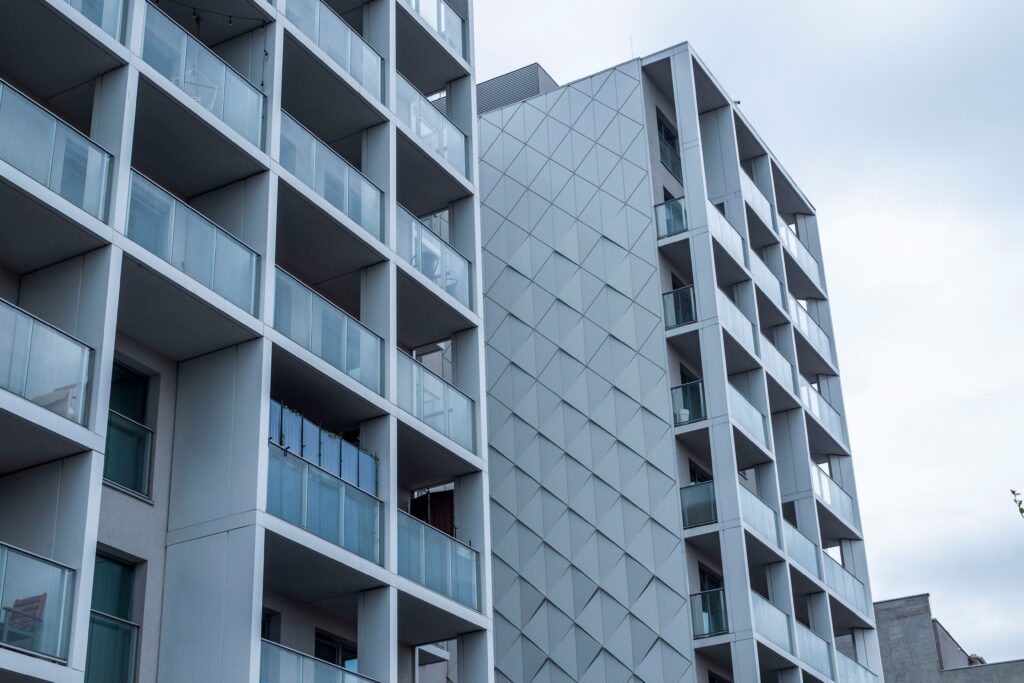
Buying a flat with cladding in Scotland can raise questions about mortgage approval, building safety and potential repair costs. While cladding does not automatically mean a building is unsafe, it is important to understand the position before committing to a purchase.
Here are the key issues to discuss with your conveyancing solicitor.
Could cladding affect your mortgage?
Your lender or its valuer may request information about the building’s external wall system, including an EWS1 form, before approving your mortgage.
An EWS1 form supports valuation and lending decisions. It is not a general building safety certificate, and there is no statutory requirement for EWS1 forms in Scotland. However, your lender may still require one for the property you want to buy.
Checking your lender’s requirements for a flat with cladding in Scotland early can help avoid delays.
What is a Single Building Assessment?
A Single Building Assessment (SBA) forms part of Scotland’s Cladding Remediation Programme for eligible buildings. It assesses risks associated with the building’s external wall cladding and identifies any work needed to eliminate or reduce those risks.
An SBA and an EWS1 form serve different purposes. Having an SBA does not automatically satisfy your lender’s requirements.
Ask whether an assessment has been completed, what it found and whether any recommended works remain outstanding. Your solicitor can explain the legal implications, while technical building safety questions should be addressed by an appropriately qualified specialist.
Who pays for cladding repairs?
Depending on the building’s circumstances, a developer may have accepted responsibility for remediation, or funding may have been approved through the Scottish Government’s programme.
Buyers should not assume that funding is in place or that every repair will be covered. When buying a flat with cladding in Scotland, ask for written confirmation of funding arrangements and whether any costs could remain payable by owners.
Your solicitor can review relevant title provisions, factor information and correspondence to help clarify potential responsibilities.
Buying or selling a flat with cladding in Scotland
Buyers should raise cladding questions before missives are concluded, when a legally binding purchase contract is formed, subject to its terms.
If you are selling, gather available assessments, factor correspondence and details of planned works early. Providing these documents to your solicitor can help them respond to enquiries and identify potential obstacles.
Cash buyers should also investigate cladding concerns, including repair liabilities, insurance and the possible impact on a future sale.
Questions to ask before you buy
If you are considering a property affected by cladding in Scotland, ask the seller or factor for the available documents as early as possible. Useful questions include:
- Has the building’s external wall system been assessed?
- Are copies of the assessment and any recommendations available?
- Have repairs or interim safety measures been recommended?
- Who is responsible for arranging the work?
- Is there written confirmation of funding?
- Have owners been told about any costs they may need to contribute?
- Are there updates on when work is expected to begin or finish?
Not every question will apply to every building. However, identifying gaps early gives your solicitor an opportunity to raise further enquiries before you commit.
Keep your mortgage adviser informed too, so they can establish what evidence your chosen lender requires. If reports contain technical findings, seek clarification from a suitably qualified specialist.
Understanding cladding in Scotland involves looking at the individual building, its assessment history and the arrangements for any outstanding work. Clear documentation helps you assess the purchase with a fuller picture of the potential responsibilities.
Speak to Kaur Sutherland
Our residential conveyancing team can review the available legal documentation, raise relevant enquiries and explain the implications for your purchase or sale.
With offices in Glasgow City Centre, Glasgow’s West End, Dumbarton, Lenzie and Greenock, Kaur Sutherland supports buyers and sellers across Scotland.
Contact our team to discuss your conveyancing requirements.